Right Wag, Wrong Vibes: The Tail Signal Everyone at the Dog Park Is Getting Wrong
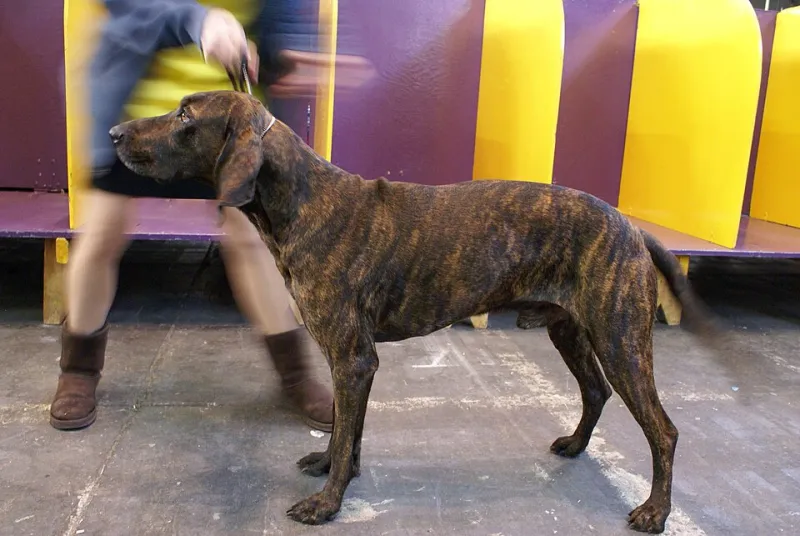
Photo: Pets Adviser from Brooklyn, USA, CC BY 2.0, via Wikimedia Commons
Every dog owner has done it. You see the tail going like a windshield wiper in a hurricane and think, great, my dog's making a friend. Then thirty seconds later there's a scuffle, a dropped leash, and an apologetic exchange of vet info.
Here's the uncomfortable truth: the wag you're reading as pure joy might be anything but. And the science on this is weirder — and more useful — than most of us realize.
The Left-Right Thing Is Real (and Kind of Mind-Blowing)
Back in 2007, researchers in Italy published a study that sounds like a prank but isn't: dogs tend to wag more to the right side of their body when experiencing something positive, and more to the left when they're stressed or facing something threatening, like a dominant unfamiliar dog.
The reason has to do with how the brain is wired. The left side of the brain (which handles positive-approach feelings) controls the right side of the body. So a dog feeling warm and fuzzy about a treat or a beloved human wags right-biased. Anxiety and the urge to retreat live on the other side of the brain, producing a left-leaning wag.
Follow-up research went further: when dogs watch other dogs wag, they respond differently to left-biased versus right-biased wags. Dogs are reading this. Most humans are not.
Height, Speed, and the Myth of the Happy Wag
Direction is only one variable. Veterinary behaviorists look at the whole tail system:
- Helicopter wag, full body wiggle: The real deal. This is your golden retriever greeting you like you've returned from war after a 20-minute grocery run.
- High, stiff, fast wag: Often misread as friendly. A tail held high and vibrating quickly can signal arousal and tension — this is the one that shows up right before trouble at the fence.
- Low, slow wag: Uncertainty or appeasement. Your dog is saying "I'm not sure about this" in tail.
- Tucked: Everyone gets this one, right? Fear. Full stop.
- Tail straight out, still: Assessment mode. Your dog is gathering intel. Do not interrupt a dog who is gathering intel.
The trap is assuming wag = happy. Tails wag during conflict, insecurity, and full-blown panic. A wagging dog can absolutely bite. In fact, "but he was wagging!" is one of the most common sentences spoken by shocked owners in veterinary behaviorist waiting rooms across America.
Where This Actually Matters
The dog park is ground zero for tail misreading. Picture it: a dog approaching with a high, stiff, rapid wag while a well-meaning owner says, "It's fine, he's friendly!" Meanwhile the dog in question is broadcasting I am extremely unsure about this situation at maximum volume.
Vet clinics run a close second. A dog on a cold steel table giving low, slow wags isn't "being brave." They're stressed and using every calming signal in the book. Dogs who get labeled "sudden biters at the vet" often showed a whole tail-based press conference that nobody attended.
Your Screenshot-and-Save Cheat Sheet
Copy this into your phone notes. Future you (and your future dog) will thank you.
The Ruff Majik Tail Decoder
| What You See | What It Probably Means | Your Move |
|---|---|---|
| Wide, loose wag + wiggly body | Genuine friendliness | Green light, keep watching |
| Wag biased right | Positive feelings | All good |
| Wag biased left | Uneasy, conflicted | Give space |
| High, stiff, fast | Arousal, possibly tension | Slow things down |
| Low, slow wag | Insecure, appeasing | Don't push |
| Tucked | Fear | Remove from situation |
| Straight and still | Assessing | Let them think |
One caveat: no single signal is a verdict. Read the tail with the ears, eyes, body posture, and the whole vibe. A wag is one word, not the whole sentence.
Tails Come in Different Models
A quick note for the corgi, beagle, and shiba households: some tails are built to be harder to read. Curled tails, docked tails, and natural bobtails mute these signals — for other dogs as much as for humans. If your dog has a plumbing fixture rather than a flag, their body language gets carried by the rest of them: loose shoulders, soft eyes, play bows. Watch the whole dog, not just the antenna.
The Takeaway
Your dog has been running a sophisticated emotional broadcasting system this whole time, and most of us have been tuned to the wrong channel. The next time you see the big wag at the park, take one extra second: Which way is it leaning? How high? How loose is the body attached to it?
That second might save you a vet bill, an awkward conversation with a stranger, or a very tense ride home. And honestly, your dog deserves an audience that actually speaks tail.
Have a tail mystery of your own? Bring the video to your next vet visit or a certified behavior consultant — and yes, they will watch it in slow motion. They always do.