Pee-Mail Analytics: We Wired a Beagle With GPS and Decoded Her Entire Morning Commute
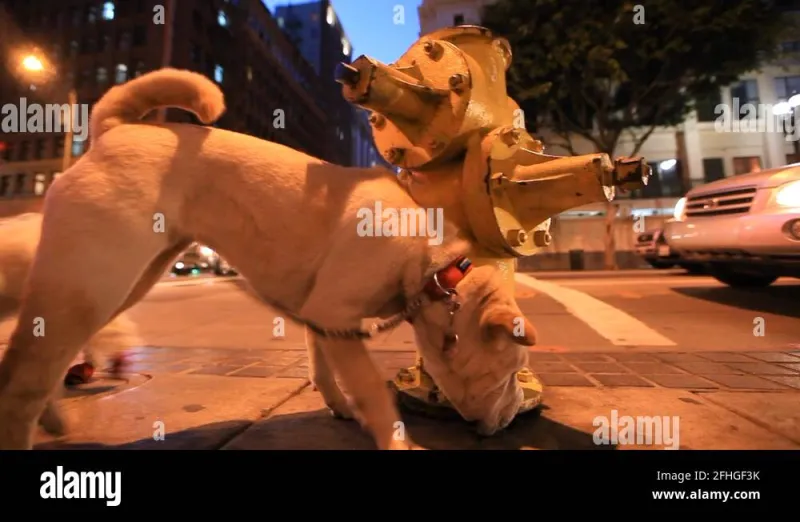
Photo: beagle sniffing fire hydrant on suburban sidewalk, via c8.alamy.com
The Experiment Nobody Asked For
Every dog owner knows the walk. Not the walk — the walk. The one where your dog stops at the same fire hydrant, the same fence post, the same suspicious patch of grass by the Hendersons' mailbox, every single morning, as if checking for messages.
Because they are.
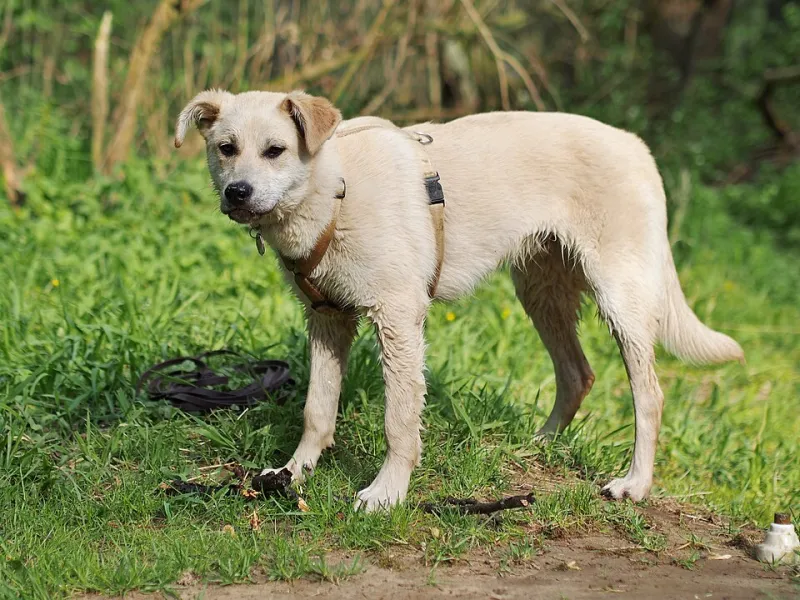
We strapped a lightweight GPS tracker to Daisy, a 4-year-old beagle from suburban Ohio, logged every stop on her standard 20-minute morning route, and mapped the results. What we found wasn't aimless wandering. It was a commute. A highly structured, scent-driven commute with hotspots, rush hours, and — according to Dr. Lena Ortiz, a canine olfaction researcher — an actual messaging system.
"People call it 'pee-mail,' and honestly, the metaphor is embarrassingly accurate," Ortiz told us. "A fire hydrant is basically a community bulletin board. Your dog isn't just smelling — they're reading, and they're replying."
The Map: 47 Stops, One Very Busy Beagle
Over seven mornings, Daisy averaged 47 sniff-stops per walk. That's one every 25 seconds. Here's how it broke down:
- 14 stops at the fire hydrant on Maple & 3rd (the neighborhood's most active exchange point)
- 9 stops at fence lines — dogs on the other side, clearly
- 7 stops at tree bases and lampposts
- 6 stops at the storm drain (we have questions)
- 5 stops at the Hendersons' mailbox area
- 6 stops classified as "investigative loitering" — Daisy staring into the void, nose twitching
Plot it on a map and the route looks less like a walk and more like a delivery circuit. Daisy wasn't exercising. She was doing her rounds.
What's Actually in the Pee-Mail
So what is your dog learning at hydrant number 14? According to Ortiz, quite a lot.
"Dogs have up to 300 million olfactory receptors, compared to our measly 6 million," she explained. "From a single scent mark, a dog can extract the other animal's sex, reproductive status, diet, stress levels, and roughly how long ago they passed through. It's a timestamped message."
In human terms, one sniff of the Maple & 3rd hydrant tells Daisy something like: Golden retriever, male, recently neutered, ate chicken-based kibble, very anxious about the mail carrier, passed by this morning around 6:40 AM.
And then Daisy replies. Urine marking isn't just territory — it's an ongoing group chat. Leaving a mark says "I was here, I'm fine, here's my status update." Skipping a reply, Ortiz notes, is itself a message. Dogs are petty like that.
The Top 5 Scent Hotspots in Suburbia
Based on Daisy's data (and our extremely scientific follow-up of two other neighborhood dogs), here's where the action is:
- The fire hydrant — The undisputed town square. High traffic, prime placement, all the gossip.
- Fence lines — Where rival newsrooms exchange press releases through the chain-link.
- Tree bases and lampposts — The classic bulletin board. Vertical real estate equals maximum visibility, scent-wise.
- Storm drains — A weirdly rich scent highway carrying everything from raccoon traffic to dropped burritos. Every neighborhood has one. Your dog knows.
- The grass strip along the sidewalk — Underrated. It's a corridor where every passing dog leaves a footnote.
What Their Sniffing Pace Says About Them
Ortiz says sniffing style is a personality profile:
- The Speed Reader — quick sniffs, keeps moving. Confident, social, wants the headlines without the comments section.
- The Investigative Journalist — long, lingering reads at every post. Detail-oriented, sometimes anxious, definitely knows things about the neighborhood you don't.
- The Lurker — fixates on one spot for ages. Possibly tracking something interesting. Possibly a chipmunk from Tuesday.
- The Ghost — barely sniffs at all. Either profoundly relaxed or has decided the local news isn't worth their time.
Let Them Read
The takeaway? All that stopping isn't dawdling — it's enrichment. Trainers consistently recommend letting dogs sniff freely on at least one walk a day (the fancy term is a "sniffari"). It lowers stress, tires them out mentally, and lets them catch up on the neighborhood feed.
So next time your beagle plants herself at the hydrant for the ninth time, be patient. She's not stalling.
She's got mail.