Beagles Ignoring Cheese and Other Fairy Tales: Trainers Spill on Impossible Requests
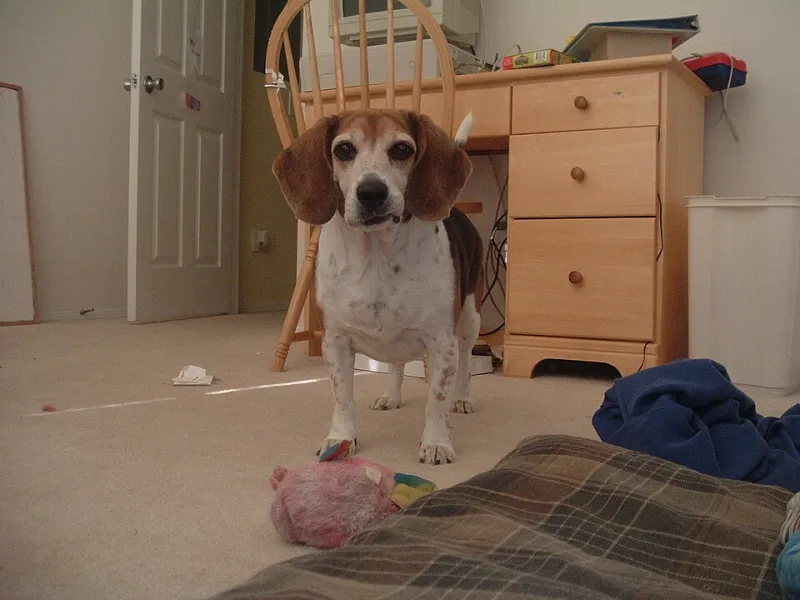
Photo: zone46Own work, Public domain, via Wikimedia Commons
Every dog owner has a dream. Some dream of a tidy backyard. Some dream of a dog who doesn't bark at the Amazon driver like he's personally insulted the family lineage. And some dream — earnestly, desperately, delusionally — of teaching a scent hound to walk past a dropped slice of pizza without so much as a glance.
We asked five professional trainers from across the US to share the most optimistic training requests they've ever received. What came back was part comedy, part masterclass in what realistic training actually looks like.
The Case of the Beagle Who Was Asked to Hate Food
Megan Ruiz, a certified trainer in Columbus, Ohio, still laughs about a client who wanted her 2-year-old Beagle, Waffles, trained to "completely ignore food left on counters. Not a sniff, not a stare. Just full indifference."
"I told her that's like asking me to be indifferent to a winning lottery ticket sitting on the kitchen island," Ruiz says. "Beagles were literally engineered — by humans, I'll add — to follow their noses into trouble."
The Realistic Version
Instead of chasing food indifference, aim for management plus impulse control:
- Teach a rock-solid "place" or "go to mat" cue so the dog has something to do during meal prep
- Use a covered trash can and a "no counter surfing" kitchen rule for humans, not just dogs
- Practice a strong "leave it" — not to create indifference, but to buy you the two seconds needed to redirect
A Beagle who chooses the mat 8 times out of 10 when cheese is in play? That's a Ph.D. in dog. That's the goal.
The Chihuahua Protection Detail
Dallas-based trainer Andre Coleman had a client request personal protection training for a 6-pound Chihuahua named Peanut. "Peanut already believed he was protecting the whole ZIP code," Coleman says. "The issue wasn't adding courage. It was convincing Peanut that the mailman, the neighbor's cat, and a falling leaf were not threats."
The Realistic Version
Protection sports require specific breeds, temperaments, and hundreds of hours of work. What most small-dog owners actually need is:
- Threshold training — teaching your dog to notice a trigger without escalating
- A reliable "quiet" cue rewarded generously (yes, you can teach a Chihuahua to hush)
- Confidence-building through sniff walks, which let small dogs process the world at nose-level instead of alert-level
Peanut, for the record, now does a nice down-stay while the doorbell rings. Mostly.
The Golden Retriever Who Was Supposed to Stop Fetching
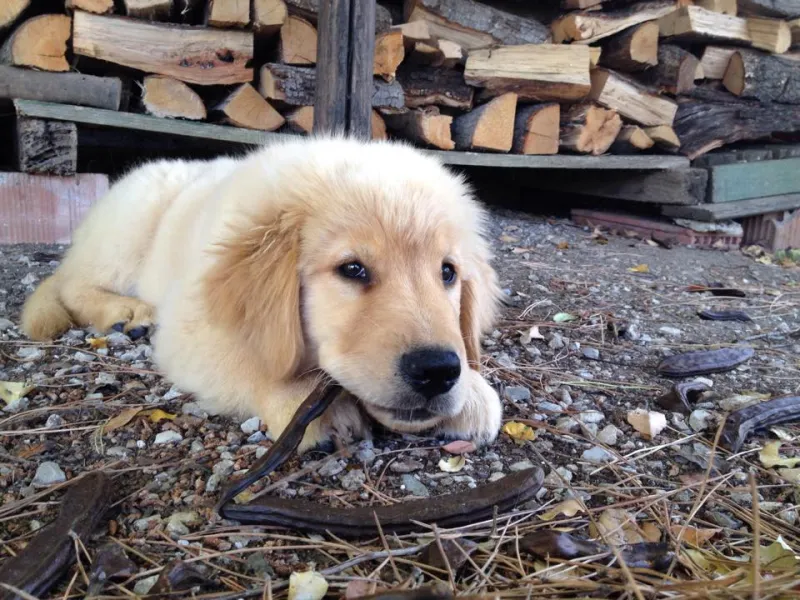
One request that shows up in every trainer's inbox: a client wanting their retriever to stop bringing back the ball. "She wanted a dog who'd fetch it but not bring it to her," says trainer Priya Natarajan of Portland, Oregon. "Which is... the entire game? That's like ordering a pizza and asking for it to stay in the box."
The Realistic Version
What the client actually wanted was a dog who dropped the ball politely instead of playing keep-away. Totally achievable:
- Trade the ball for a high-value treat to teach a fast, happy "drop it"
- Reward the drop by throwing the ball again — the game itself becomes the reward
- Keep sessions short; fetch-crazed dogs burn out faster than a New Year's gym membership
The Greyhound Who Was Supposed to Jog Off-Leash
A client in Arizona asked trainer Sam Delgado to train her retired racing Greyhound to jog off-leash through open desert trails. "She'd adopted him three weeks earlier," Delgado says. "A sighthound. Off-leash. Near jackrabbits. I asked her how she felt about picking up a dog in Albuquerque."
The Realistic Version
Sighthounds chase first and think never — it's not defiance, it's 5,000 years of breeding. Instead:
- Invest in a long-line (30–50 feet) for safe sniff-and-gallop sessions
- Build a bulletproof recall in fenced areas before ever considering freedom
- Accept that a fenced dog park or secure field is your off-leash experience
So What's Actually Achievable?
Here's the cheat sheet the trainers wished every client taped to the fridge:
- Weeks 1–4: Name recognition, basic sit, the start of a recall
- Months 2–6: Loose-leash walking, solid "leave it," polite greetings
- Year 1 and beyond: Reliability around distractions — and even then, breed tendencies never fully disappear
"The best-trained dogs I've met weren't the ones with ambitious owners," Ruiz says. "They were the ones with patient owners who worked with the dog in front of them, not the imaginary robot dog in their head."
Your Beagle will always love cheese. Your Chihuahua will always have opinions. Your Greyhound will always think the neighborhood rabbit is a personal invitation. Train the dog you have — and laugh along the way. They're worth it.